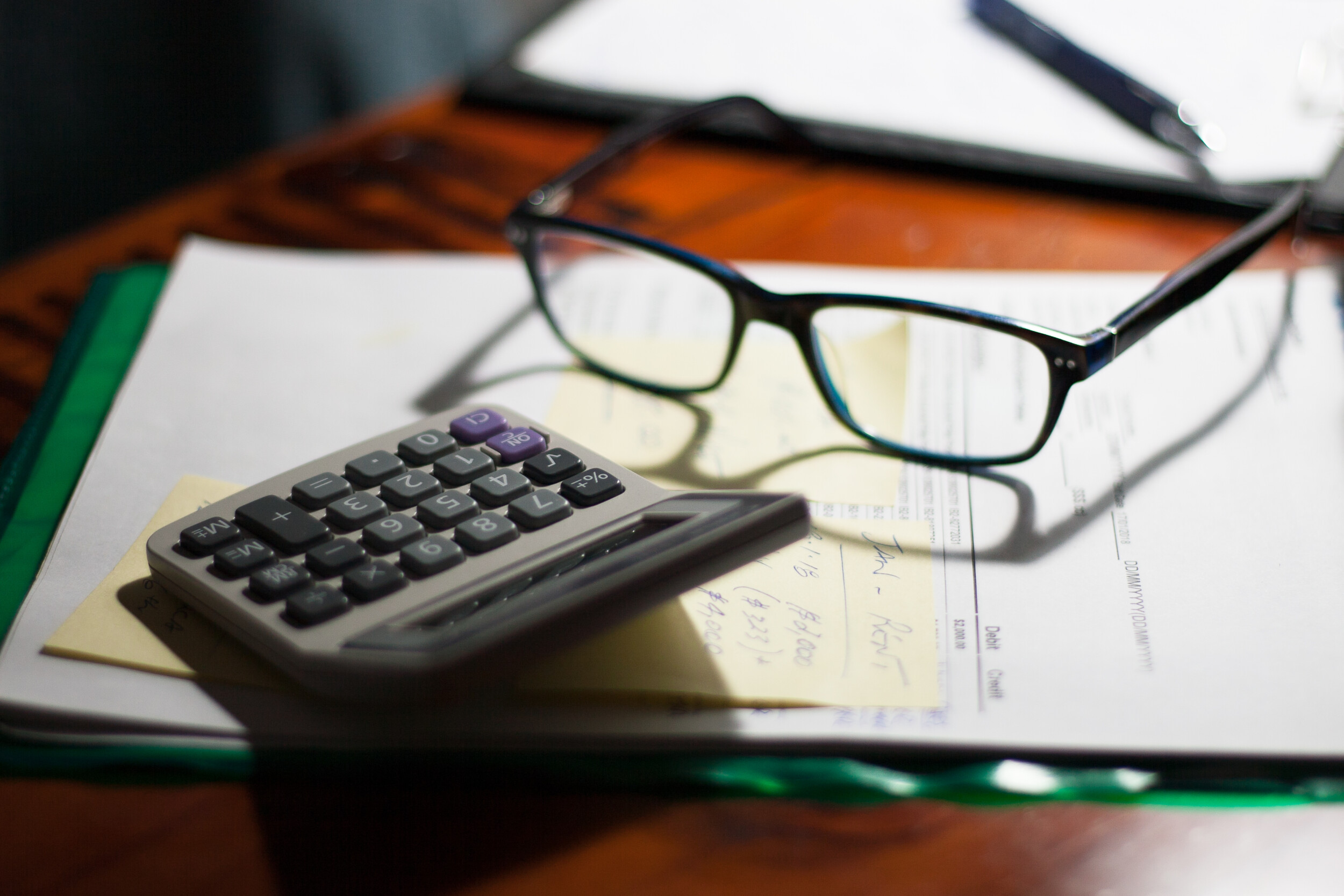
When a business buys materials for its premises, the focus is often on the practical side of the project. Owners may be comparing products, checking availability, reviewing delivery times and making sure the chosen materials suit the property.
However, the financial and VAT side of the purchase should not be overlooked.
Whether you are buying roofline products, replacement fixtures, flooring, decorating materials, plumbing supplies or equipment for a refurbishment, accurate VAT records can make a significant difference. Clear invoices, correct supplier details and proper categorisation all help ensure your accounts remain accurate and your VAT returns are easier to prepare.
For VAT-registered businesses, property-related spending can involve several considerations. Some purchases may be straightforward. Others may form part of a larger project involving repairs, improvements, labour and professional fees.
This guide explains why VAT planning and clear documentation matter when buying materials for business premises.
Why VAT Records Matter
VAT records are not just admin. They help show what the business has bought, who supplied it, how much VAT was charged and whether the purchase relates to business activity.
If records are incomplete, unclear or missing, it can make VAT return preparation more difficult. It may also create questions later if a transaction needs to be reviewed.
A proper VAT invoice should usually show key details such as the supplier name, VAT number, invoice date, invoice number, description of goods or services, net amount, VAT rate, VAT amount and total amount.
When buying materials for a property project, make sure invoices are saved in a format that can be found easily. Digital copies should be named clearly and stored with the relevant project records. Paper invoices should be kept safely and scanned where possible.
A clear record from the beginning is far easier than trying to reconstruct the details months later.
Separate Materials, Labour and Other Costs
A property project may involve several different types of expenditure.
For example, a business improving its premises might pay for materials, contractor labour, delivery charges, waste disposal, access equipment, survey fees and finishing work. If all of these costs are grouped together without explanation, it becomes harder to understand what the project actually involved.
Separating costs can help your accountant review the figures properly. It can also make VAT checking easier, particularly where different suppliers are involved or where invoices cover more than one type of work.
For larger projects, consider keeping a simple cost schedule. This could include the supplier name, invoice number, invoice date, net amount, VAT amount, total amount and a short description of what the cost relates to.
This does not need to be complicated, but it should be consistent.
Check Supplier Invoices Before Paying
Before paying a supplier invoice, take a moment to check that the details are correct.
This is especially important for larger purchases. Make sure the invoice is addressed to the correct business, includes the right products or services and shows VAT correctly where applicable.
If the business name is wrong, the description is unclear or VAT is not shown properly, it is better to ask the supplier to correct the invoice before payment where possible.
This can prevent unnecessary issues later. An invoice that does not contain the required information may be harder to use when preparing VAT records.
For example, if a business orders exterior materials such as guttering, downpipes or roofline products, the invoice should clearly identify what was purchased. Businesses looking at aluminium gutters, downpipes, fascias, soffits or wall-coping products can explore the options available from Alugutter. Keeping order confirmations and product details alongside the VAT invoice can make the project records much clearer.
Keep Delivery Charges With the Main Purchase
Delivery charges are easy to overlook, but they are part of the total cost of getting materials to the business.
Where delivery appears on the same invoice as the materials, it should be recorded as part of that supplier purchase. Where it is charged separately, make sure the delivery invoice is also saved with the project documents.
This helps provide a more accurate view of the true project cost. A materials order may look affordable at first, but once delivery, handling, access equipment and related costs are included, the total may be higher than expected.
For cash-flow planning, it is useful to understand the full cost before committing. This is particularly important where a project involves multiple deliveries or specialist items.
Understand the Difference Between Repairs and Improvements
Property spending can cover both repairs and improvements.
A repair generally restores something to its previous condition. An improvement may enhance the property, add something new or extend the useful life of the asset beyond its original state.
This distinction can affect how costs are considered in the accounts. It is not always obvious, especially where a project involves replacing old materials with modern alternatives.
For example, replacing damaged sections of an existing rainwater system may be a repair. A wider refurbishment that changes the property and upgrades several external elements may need more careful review.
Business owners do not need to decide everything themselves, but they should keep enough information for their accountant to assess the project. Useful records include photos, quotations, invoices and notes explaining why the work was needed.
Match Payments to Invoices
When several invoices are paid around the same time, it can become difficult to track which payment relates to which purchase.
This is common during property projects because suppliers and contractors may require deposits, staged payments or balance payments.
To avoid confusion, match each bank payment to the relevant invoice. If a payment covers more than one invoice, record that clearly. If a deposit is paid before the final invoice is issued, save the deposit confirmation and link it to the project.
This is particularly helpful when preparing VAT returns. It also helps business owners understand what has already been paid and what remains outstanding.
Good bookkeeping relies on clear connections between invoices, payments and project records.
Consider Cash Flow Before Larger Orders
Material purchases can place pressure on cash flow, especially where suppliers require payment before delivery.
Before placing a large order, review the timing of other business commitments. Payroll, VAT payments, supplier bills, rent, loan repayments and tax deadlines may all affect how much cash is available.
A simple cash-flow forecast can help show whether the business can comfortably afford the purchase at that point or whether the project should be phased.
This does not mean delaying essential work unnecessarily. If a property issue could cause damage or disruption, it may need to be addressed promptly. However, planning the timing of larger purchases can reduce financial strain and help the business remain in control.
Save Product Specifications and Warranties
Invoices are important, but they are not the only documents worth keeping.
Product specifications, installation guides, warranties, guarantees and delivery notes can all be useful later. They may help if a product needs to be matched, replaced, maintained or reviewed as part of a future project.
For landlords and commercial-property owners, this information can be especially valuable. A clear record of what was installed at each property can save time when arranging maintenance or dealing with tenant queries.
Store these documents with the invoice rather than separately. A complete project file should make it easy to see what was purchased, when it was installed and what information applies to the product.
Avoid Mixing Personal and Business Purchases
Where property costs relate to a business premises, keep purchases separate from personal spending wherever possible.
Using the business bank account for business purchases and ensuring invoices are addressed correctly can make bookkeeping far cleaner. Mixing personal and business items on the same receipt can create avoidable admin.
This is particularly relevant for owners who work from home, landlords managing properties or small companies where directors may occasionally buy materials themselves.
If a personal card is used for a business purchase, record the transaction clearly and keep the invoice. Your accountant can then advise how it should be treated.
The more straightforward the records are, the easier it is to prepare accurate accounts and VAT returns.
Review VAT Before Submitting Returns
Before a VAT return is submitted, property-related purchases should be checked carefully.
Make sure invoices are present, VAT has been recorded correctly and the costs have been categorised sensibly. Where a project is large or unusual, it may be worth discussing it with your accountant before finalising the return.
This can help reduce errors and provide peace of mind that the records support the figures being submitted.
David Procter Accountancy supports businesses with VAT returns, bookkeeping, accounts, payroll and tax-return services. Having an accountant review your records can be particularly helpful when property spending forms part of a wider business project.
Good VAT Records Make Property Projects Easier to Manage
Buying materials for business premises is not only a practical decision. It also needs to be supported by accurate financial records.
By checking invoices, separating costs, saving product details, matching payments and keeping project documents organised, business owners can make VAT return preparation far more straightforward.
Clear records also help with budgeting, cash-flow planning and future maintenance decisions.
For support with VAT returns, bookkeeping, accounts, payroll or tax planning, contact David Procter Accountancy today.